Why Knoxville athletes use cupping for muscle recovery
Recovery isn't one thing you buy. It's a stack of small habits that add up: easy days between hard ones, real sleep, water, food, mobility work, and the occasional hands-on session when your legs feel trashed after a long week. Cupping lives inside that stack as a comfort step, not the centerpiece. Plenty of our runners and lifters book it because the suction feels good on tissue that's been hammered all week, and feeling looser is a legitimate reason to come in. It is not a reason to skip your rest day.
Where cupping fits with deep tissue, infrared, and rest
Think of it in order of what actually drives recovery. Sleep and rest days first. Deep tissue massage next, because skilled hands working tight glutes and a locked-up upper back is the part with the most evidence behind it. Cupping rides along inside that session as a decompression step that many people find satisfying. An infrared table sauna add-on can finish things off with comfortable warmth before you head home. None of this replaces backing off your training when your body asks you to.
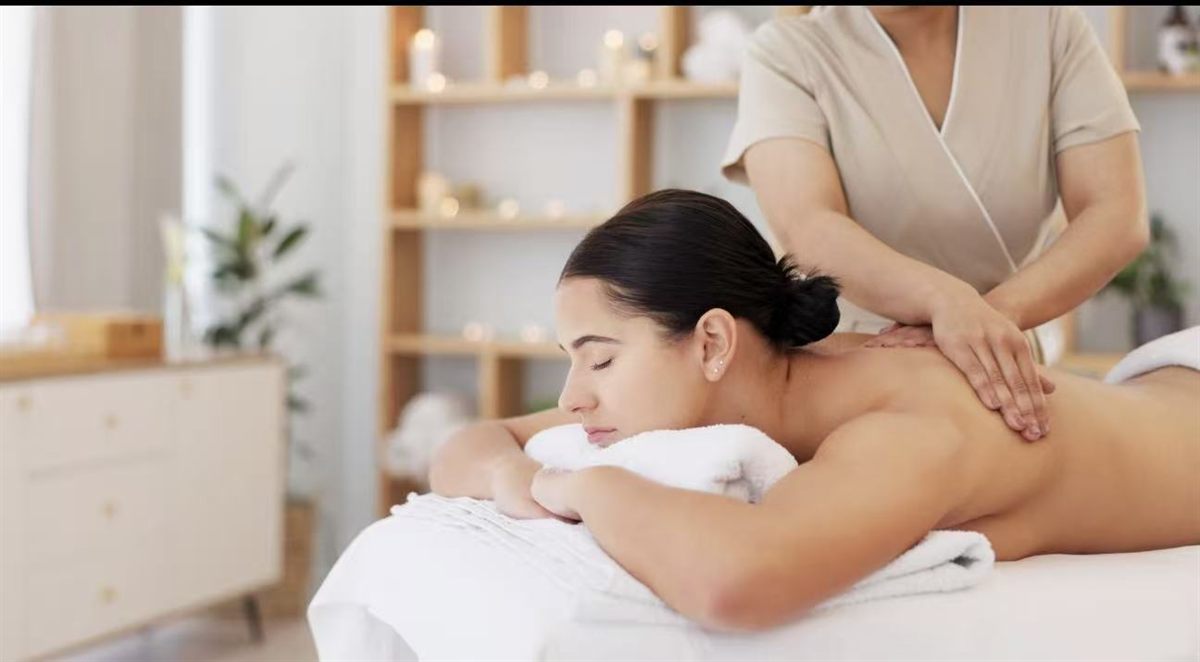
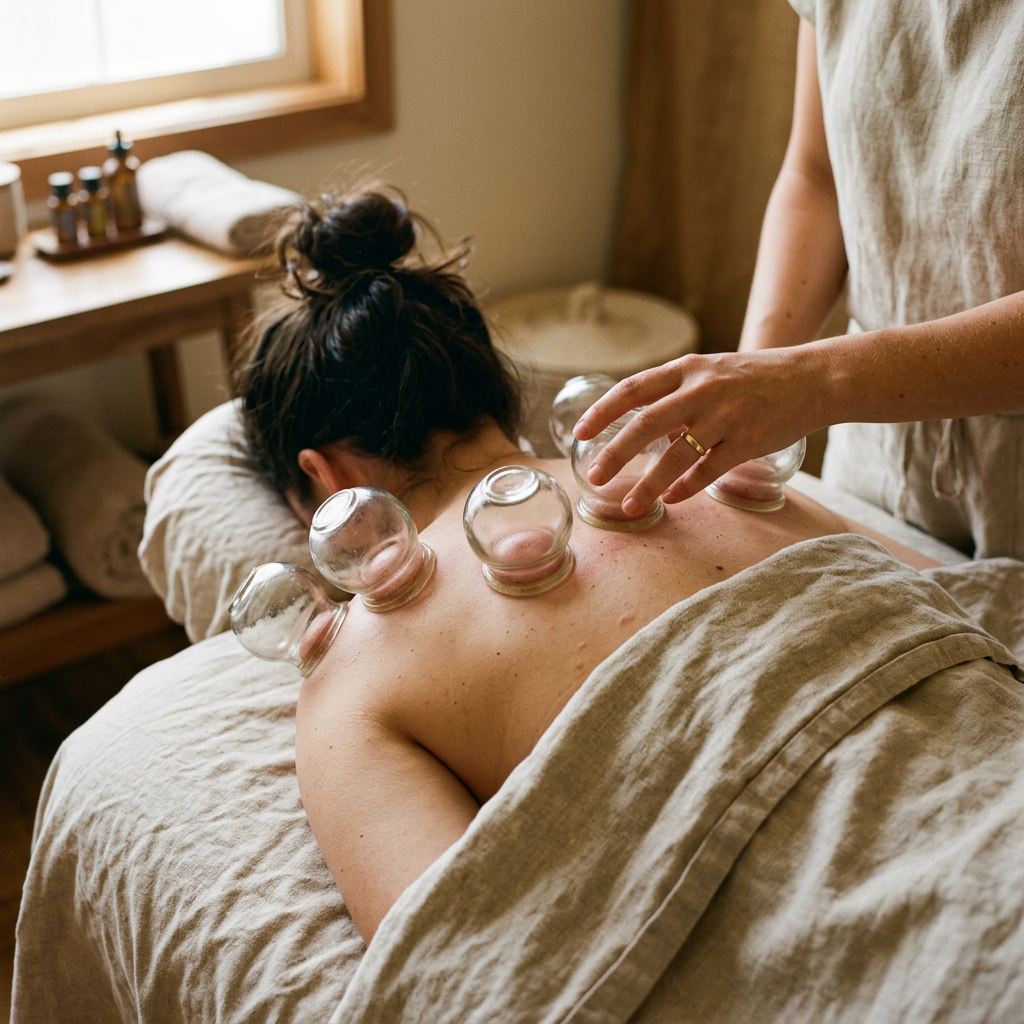
Our therapists treat the cups as one tool on the table, not the whole appointment. After warm-up and some hands-on work, we'll place cups on the spots that are barking, let them sit or glide for a few minutes, then return to manual work to blend everything together. You leave having had a real massage, with cupping folded in.
What 'best' actually means for a training-aware provider
'Best' is an easy word to throw around, so here's what we mean by it. We mean a licensed therapist who knows the difference between a tight calf and a strained one, and who'll send you to a medical provider for the second. We mean running cupping inside a proper deep tissue session instead of charging for ten minutes of suction and calling it recovery. And we mean telling you the truth: cupping helps you feel looser, and that's where the honest claim stops.
The 4.8-star rating and 1,500+ 5-star Google reviews across our two spas come from that approach, plus a Best of Knoxville 2026 nod at both locations. We'd rather earn a repeat athlete by being honest than oversell a session once.
Sore, not injured: when cupping is and isn't the right call
Cupping is for the ordinary soreness of training. Heavy legs the day after a long run, tight lats after a pulling session, glutes and IT bands that feel rigid during a marathon build. That's the lane.
It is not for a fresh injury. Do not put cups over a new strain, a sprain, a pulled hamstring, shin splints that are getting worse, or any sharp, localized pain that came on suddenly. Those need assessment and often rest or physical therapy, not suction. If you're not sure whether you're sore or hurt, see a medical provider first and come back for recovery work once you're cleared. We'll tell you the same thing at the table if something doesn't look like normal soreness.